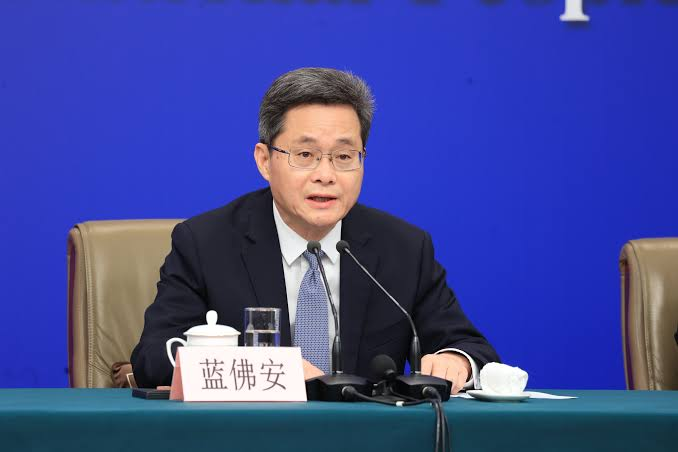
PBOC flags 'herd effect' as yuan rally intensifies, signaling tighter FX scrutiny and calibrated stimulus
China’s central bank warned against irrational one way bets in the foreign exchange market on September 25, as the yuan strengthened and policymakers signaled a continuation of accommodative monetary settings paired with closer oversight of market flows.
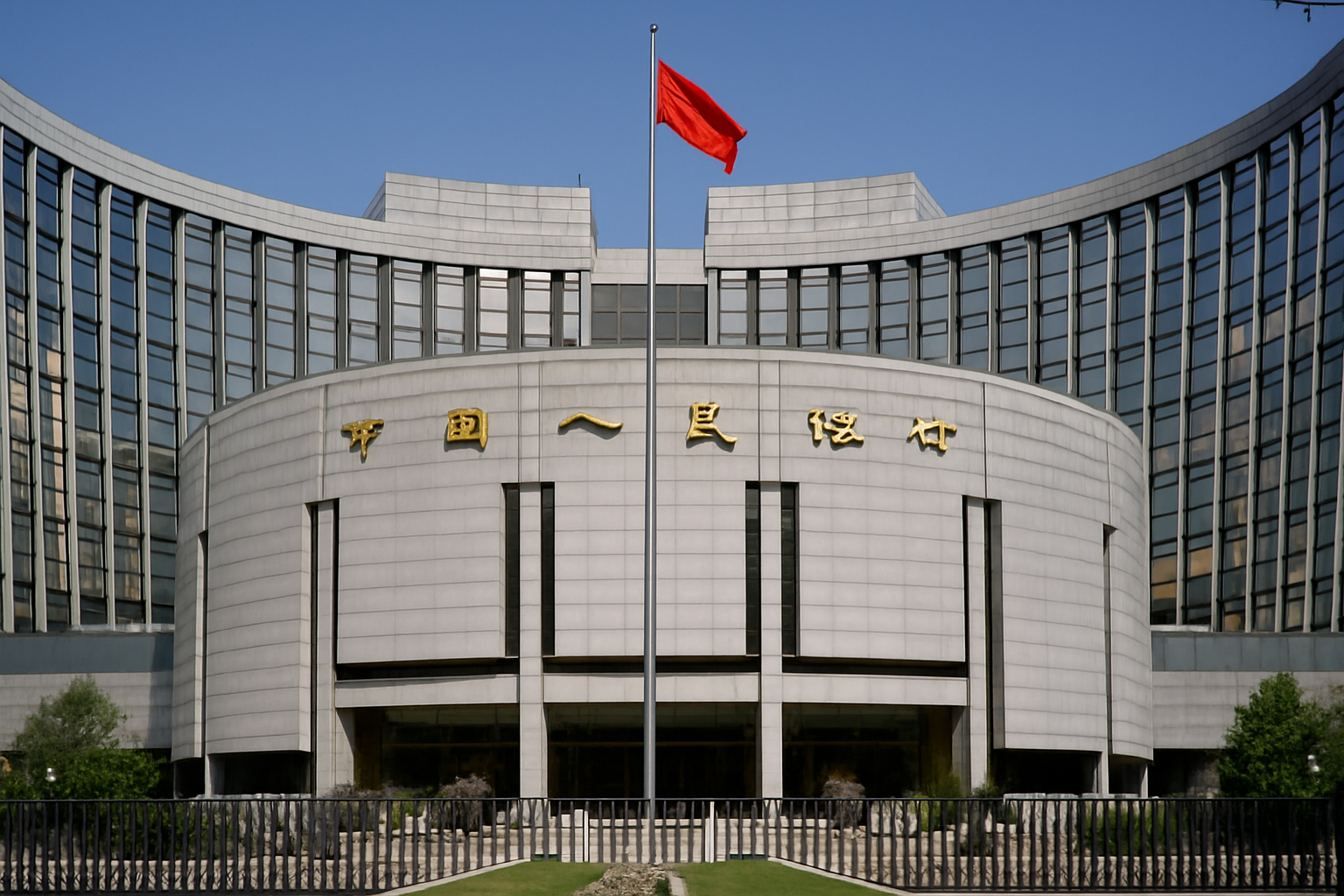
The People’s Bank of China on September 25 introduced a new caution against a so called "herd effect" in its quarterly monetary policy statement, reflecting rising concern inside Beijing about crowded, one way bets as the yuan has gained ground this year. The language marks a sharper public emphasis on curbing speculative momentum in foreign exchange markets even as the central bank reaffirmed an overall bias toward supporting growth. The PBOC said market participants should guard against self reinforcing expectations that could produce abrupt reversals and disrupt financial stability. The warning followed the Monetary Policy Committee meeting on September 19 and arrives at a moment when the onshore renminbi has rallied meaningfully from its mid 2025 trough, trading near the mid 6s against the U.S. dollar in recent sessions. Why the warning matters A central bank focus on "herd effect" is significant for several reasons. First, it signals that Beijing views recent exchange rate moves as having a sizeable behavioral component, rather than being driven purely by fundamentals such as trade flows or differential interest rates. Policymakers worry that one way positions can amplify volatility if market sentiment changes, forcing abrupt intervention or policy pivots. Second, the PBOC is threading a narrow needle. Authorities want the yuan to be a more market oriented and internationally used currency, but they also need to protect exporters and manage capital flow volatility. Public warnings about herd behavior are a cheaper and faster tool than large scale intervention, allowing the bank to shape expectations without immediately deploying costly reserves or heavy market operations. Third, the statement reiterates Beijing’s dual task of keeping monetary settings supportive of domestic demand while preventing excessive financial exuberance. That balancing act has direct consequences for bond markets, cross border capital flows and corporate hedging demand in China, and it reverberates through global markets that track yield and currency differentials. Policy signals and market responses Alongside the caution on FX markets, the PBOC reiterated its intention to pursue an "appropriately accommodative" policy stance and to step up counter cyclical adjustments as needed to support the real economy. That combination suggests officials remain open to targeted liquidity and structural measures to underpin credit to households and firms, while tightening messaging and micro tools to restrain destabilizing financial behavior. Market participants interpreted the guidance as a signal Beijing prefers verbal and micro prudential measures over blunt macro tightening. Traders have already seen the effect. Onshore market moves in the days around the statement showed a firming yuan and mixed reactions in bond markets as investors recalibrated expectations about the need for intervention and the likely path of domestic liquidity. Implications for exporters and foreign investors A stronger renminbi reduces the competitiveness of Chinese exporters in dollar priced markets. The PBOC warning therefore doubles as a reassurance to exporters that authorities are alert to the possible economic costs of a persistent one way appreciation driven by speculative flows rather than trade fundamentals. For foreign investors, the statement highlights an evolving operating environment. Greater emphasis on managing market expectations means regulators may increasingly rely on guidance, administrative measures and targeted windows for offshore participation to smooth flows. At the same time, steps to broaden offshore trading access and deepen hedging instruments, which Beijing has pursued in recent months, remain priorities for policymakers seeking a more resilient and internationally integrated yuan. Broader macro context China’s economy has continued to recover unevenly, with consumption and services showing improvement while property and some manufacturing sectors lag. Policymakers have signaled a reluctance to unleash large scale fiscal or monetary firepower, preferring instead calibrated and targeted measures. The PBOC statement on September 25 reinforces that posture, pairing ongoing support for growth with explicit attention to market stability risks. Global markets are sensitive to these signals. Currency moves feed into global yield spreads, capital allocation between Chinese and foreign assets, and multinational corporate hedging strategies. A policy path that blends accommodation with active management of one way market bets should temper the risk of sudden disruptive moves for global investors, though it also implies that authorities will intervene selectively to limit outcomes they view as harmful. What to watch next Investors should monitor three key items in the coming weeks. First, official communications and any follow up from the PBOC on concrete micro measures to deter speculative FX trading. Second, data on cross border capital flows and onshore offshore yield differentials, which will reveal whether the rally is being driven by real flows or by portfolio shifts. Third, any adjustments in the central bank operation toolkit, including targeted lending facilities and expanded hedging or offshore access measures that could reduce the incentive for speculative positioning. The PBOC statement of September 25 underscores a central theme for China in the months ahead, policymakers will support growth but will do so under tighter supervisory attention to market behavior. For global markets, the message is that Beijing will seek stability through a combination of accommodation and active management of expectations, rather than through hands off liberalization or abrupt policy reversals.
Topics
LocationCN