
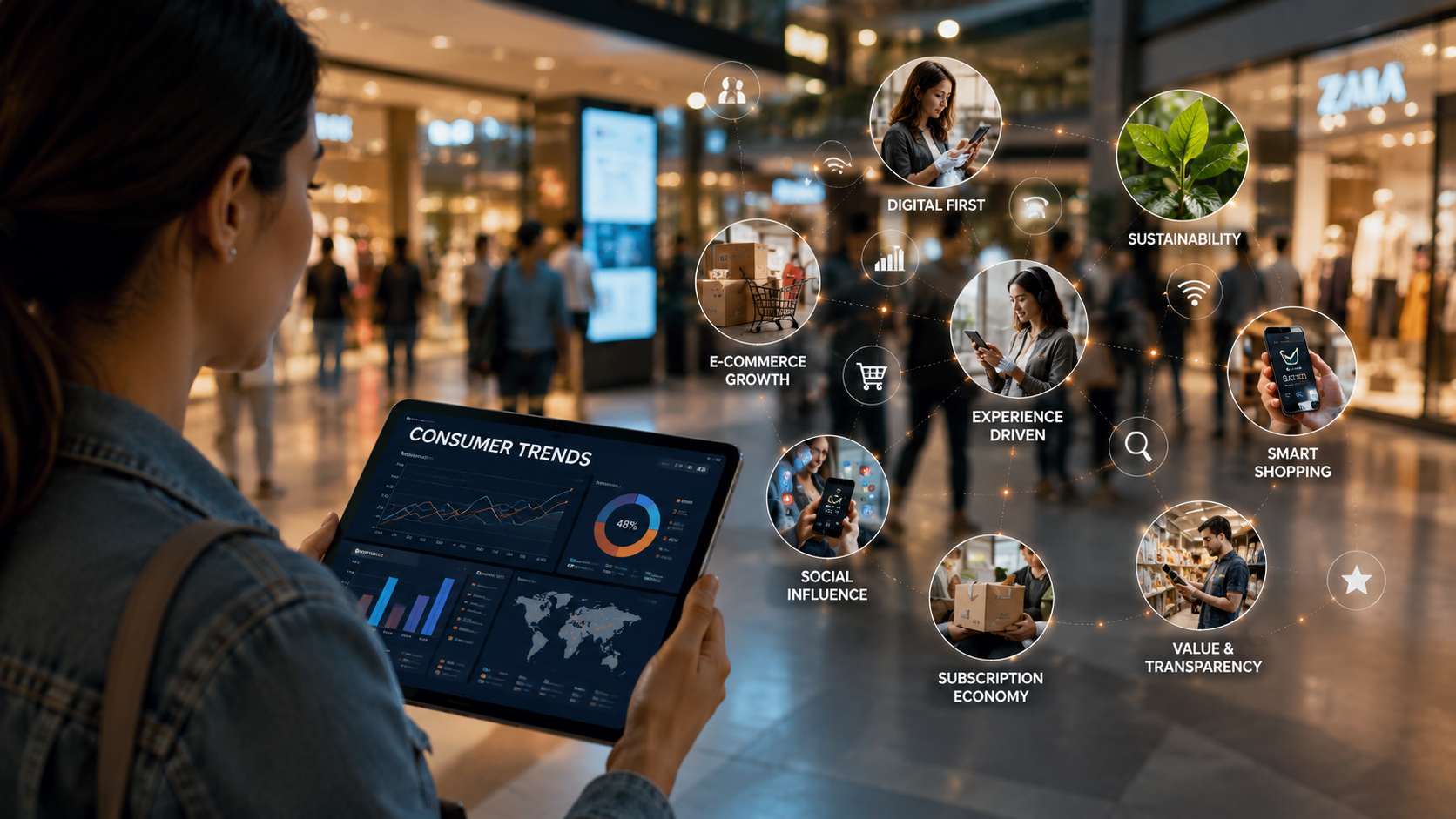
Discover how Consumer Trends influence purchasing decisions, customer expectations, and business strategies in today’s evolving marketplace.
Consumer Trends Businesses Need to Understand
Consumer expectations continue to evolve as technology, economic conditions, and changing lifestyles influence purchasing decisions. Businesses that understand these changes can better anticipate customer needs, improve products and services, and strengthen long-term relationships. Monitoring Consumer Trends enables organizations to remain competitive while adapting to an increasingly dynamic marketplace.
Companies that stay connected to changing customer preferences are more likely to build loyalty, improve customer satisfaction, and achieve sustainable growth.
Demand for Personalized Experiences
Modern consumers expect products, services, and marketing messages that reflect their individual preferences. Businesses use customer data and analytics to deliver personalized recommendations, targeted promotions, and customized experiences.
Personalization strengthens customer engagement and increases satisfaction.
Growth of Online Shopping
E-commerce continues to expand as consumers value convenience, product variety, and flexible purchasing options. Businesses are investing in user-friendly websites, mobile shopping experiences, and efficient delivery services to meet growing demand.
Digital commerce remains one of the most influential Consumer Trends.
Preference for Sustainable Products
Many consumers are choosing environmentally responsible products and supporting businesses committed to sustainable practices. Eco-friendly packaging, ethical sourcing, and reduced environmental impact increasingly influence purchasing decisions.
Sustainability has become an important factor in brand selection.
Mobile-First Consumer Behavior
Smartphones have become the primary device for shopping, researching products, comparing prices, and interacting with brands. Businesses that optimize websites and digital experiences for mobile users improve customer accessibility and engagement.
Mobile technology continues reshaping consumer behavior.
Importance of Customer Reviews
Online reviews and customer testimonials play a significant role in purchasing decisions. Consumers often research feedback before choosing products or services, making reputation management essential for business success.
Positive customer experiences contribute to stronger brand trust.
Faster Customer Service Expectations
Consumers expect quick responses across multiple communication channels, including email, live chat, messaging apps, and social media. Businesses that provide timely and effective support improve customer satisfaction and loyalty.
Responsive service is a key element of modern Consumer Trends.
Growing Interest in Subscription Services
Subscription-based business models continue expanding across entertainment, software, retail, healthcare, and consumer products. Customers appreciate predictable pricing, convenience, and ongoing value.
Recurring service models provide businesses with stable revenue opportunities.
Increased Focus on Data Privacy
Consumers are becoming more aware of how businesses collect, store, and use personal information. Organizations that prioritize transparency, cybersecurity, and responsible data management build greater customer confidence.
Trust is increasingly important in the digital economy.
Demand for Omnichannel Experiences
Customers expect seamless interactions across physical stores, websites, mobile applications, and social media platforms. Consistent experiences across every channel improve convenience and strengthen customer relationships.
Integrated customer experiences support long-term loyalty.
Value-Driven Purchasing Decisions
While price remains important, many consumers also consider product quality, brand reputation, customer service, ethical business practices, and long-term value before making purchasing decisions.
Businesses that consistently deliver value are better positioned for sustained growth.
Continuous Market Research
Consumer preferences continue changing due to technology, cultural shifts, and economic conditions. Regular market research helps businesses monitor customer expectations and adapt their strategies accordingly.
Staying informed supports better decision-making and future growth.
Conclusion
Consumer Trends continue shaping how businesses develop products, deliver services, and engage with customers. Personalization, digital commerce, sustainability, mobile technology, customer experience, and data privacy are transforming modern consumer expectations. Organizations that monitor these evolving trends and respond proactively will strengthen customer relationships, improve competitiveness, and position themselves for long-term success.
FAQ
1. What are Consumer Trends?
Consumer Trends are changing patterns in customer preferences, purchasing behavior, and expectations that influence how businesses develop products and services.
2. Why are Consumer Trends important for businesses?
They help businesses understand customer needs, improve products, enhance customer experiences, and remain competitive in changing markets.
3. How can businesses identify Consumer Trends?
Businesses can analyze customer feedback, conduct market research, monitor industry reports, study purchasing behavior, and use data analytics.
4. Why is personalization becoming more important?
Consumers increasingly expect businesses to provide customized products, recommendations, and experiences that match their individual preferences.
5. How do Consumer Trends affect business growth?
Understanding Consumer Trends allows businesses to adapt quickly, improve customer satisfaction, strengthen brand loyalty, and identify new market opportunities that support sustainable growth.
