
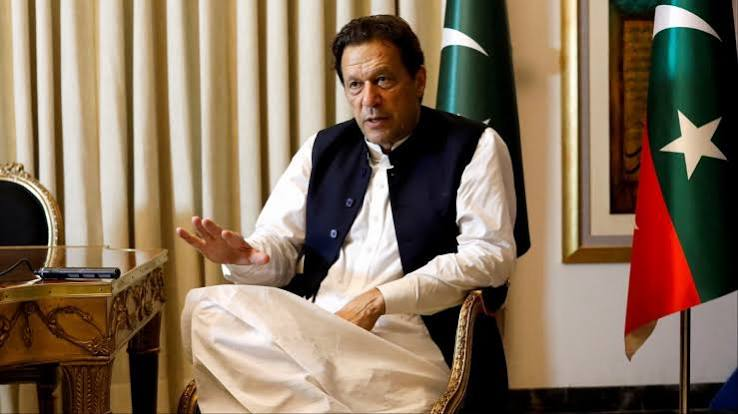
Pakistan is preparing for another major political mobilisation as Pakistan Tehreek-e-Insaf plans to march towards Islamabad on September 27, a demonstration centred on demands for the release of imprisoned former Prime Minister Imran Khan. The planned protest is attracting attention beyond politics because previous large demonstrations in the capital have affected roads, transport, commercial activity and the movement of workers and goods.
PTI has been preparing a central convoy from Khyber Pakhtunkhwa, with supporters from other parts of Pakistan expected to join the mobilisation before proceeding towards the federal capital. Authorities, meanwhile, have been developing security plans as courts consider how the right to protest should be balanced against public access to roads and normal economic activity.
Islamabad High Court Focuses on Keeping Roads Open
The Islamabad High Court has become directly involved in the dispute surrounding the planned march. A petition challenging the September 27 mobilisation raised concerns about possible disruption to daily life, traffic and businesses in Islamabad.
The court has stressed that political parties do not have a right to occupy public roads in a way that prevents other citizens from using them. Interior Minister Mohsin Naqvi has also warned that authorities would take legal action against violations of the court's directions.
For businesses, that legal debate has practical consequences. Road closures around Islamabad and Rawalpindi can affect employees travelling to work, deliveries, retail footfall and intercity transport even when demonstrations themselves remain peaceful.
Security Preparations Are Increasing
Authorities have already begun preparing for the mobilisation. Major routes in the capital have faced heightened security measures ahead of opposition demonstrations, reflecting concern that large numbers of protesters could converge on Islamabad.
Reports have also described plans for substantial additional police deployments and the possible use of shipping containers to control access to parts of the capital. The scale of preparations demonstrates the government's expectation that the September 27 mobilisation could be significant.
Security measures themselves can create economic disruption. Blocking major arteries can slow freight, reduce customer access to commercial areas and make it harder for businesses to operate normally.
Why PTI Is Marching
The central political demand is the release of PTI founder Imran Khan, who remains imprisoned. PTI has continued to challenge his detention and has used demonstrations, legal proceedings and political campaigning to press its case.
The government disputes PTI's allegations concerning Khan's treatment and has maintained that legal cases against him should proceed through Pakistan's judicial system. The disagreement has therefore continued simultaneously in courts and in the country's political arena.
PTI has also supported Jamaat-e-Islami's campaign against the petroleum levy and inflation, while indicating that JI would be invited to participate in its own march. JI has separately planned a September 20 mobilisation towards Islamabad over fuel costs.
Political Protests Can Quickly Become an Economic Issue
Large demonstrations in a major city can affect considerably more than government offices. Retailers may experience reduced customer traffic, transport companies can face delays and offices may allow employees to work remotely if access becomes uncertain.
Pakistan's economy also remains sensitive to perceptions of political stability. Businesses making investment decisions generally value predictability because uncertainty makes planning more difficult. Frequent disruption can therefore have consequences even for companies that have no direct connection to politics.
The September 27 mobilisation will be watched partly for this reason. The economic impact will depend heavily on the size and duration of the protest, the government's response and whether major transport routes remain accessible.
What Happens Next
PTI's march is currently scheduled for September 27, meaning it has not happened yet. Security preparations, legal proceedings and political negotiations could still affect how the demonstration unfolds.
For companies operating in Islamabad and Rawalpindi, the most immediate concern will be transport and access rather than the political arguments themselves. Businesses will be watching whether authorities close major roads, whether public transport is affected and how long any restrictions remain in place.
The coming days will therefore determine whether the September 27 mobilisation develops primarily into a large political demonstration or also creates significant disruption for Pakistan's capital-region economy.